Published on09 de December de 2025
Types of Metal Roofing: Galvalume, Steel, Aluminum, and Copper—What Really Changes Between Them?
When homeowners decide to invest in a metal roof, a second question often arises soon after choosing the system: which type of metal is best suited for my home? This question reveals a fundamental point in the world of metal roofing—each material has its own characteristics, different levels of durability, levels of weather resistance, and specific behaviors over the years. Understanding these differences is essential for making a smart and conscious choice, and this is where MVP Metal Roofing’s experience stands out. With years of experience in the sector and deep technical knowledge, the company guides clients clearly, objectively, and based on real-world performance, always seeking the ideal material for each type of environment.
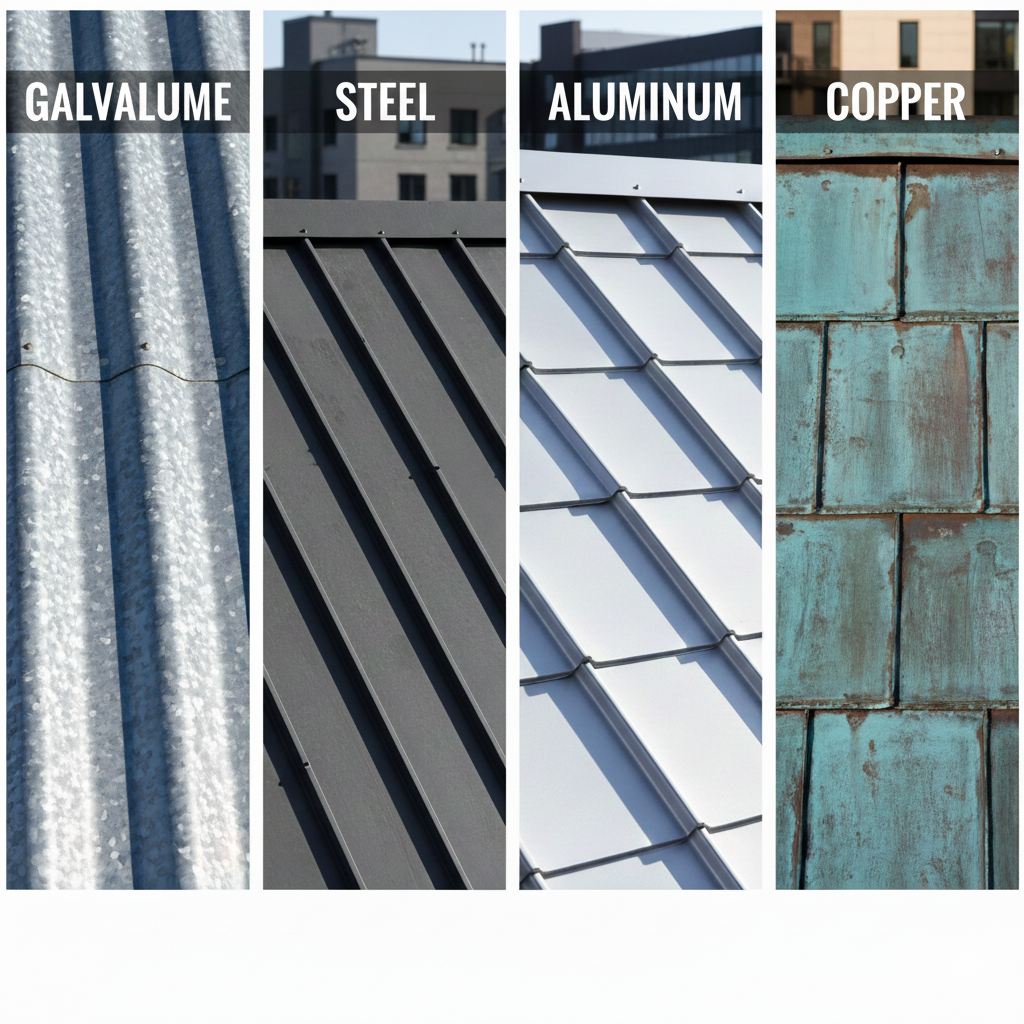
Among the most commonly used materials in the industry are Galvalume, steel, aluminum, and copper. Although they belong to the same category, their performance can vary considerably depending on the project requirements, type of property, and cost.
One of the most important points to be observed is durability. Copper, for example, is known for its exceptional durability and ability to withstand decades—even centuries—of exposure without significant damage. It’s often used in historic or high-end buildings, becoming not only a functional material but also a symbol of aesthetic value and architectural prestige. However, copper has a considerably higher cost, which directly impacts the final investment in the material.
Galvalume, on the other hand, is a type of steel coated with an alloy of aluminum and zinc, combining the strength of steel with greater corrosion resistance. It’s one of the most widely used materials in modern roofing because it offers excellent durability with a more accessible cost compared to copper. Its performance is particularly good in areas with high humidity or adverse weather, where protection against rust is essential.
Aluminum is a strategic choice for regions close to the coast or areas with high salt concentration in the air. This is because it has natural resistance to corrosion, preventing premature deterioration of the roof. In addition, aluminum is extremely lightweight, which reduces the structural load on the building. This characteristic makes it ideal for renovations or projects where the existing structure cannot receive much additional weight.
Another factor that needs to be evaluated when choosing the ideal metal is weight and how they interact with the house’s structure. Aluminum, being extremely lightweight, is ideal when the goal is to reduce the load on the roof. Steel, although heavier, offers superior strength. Copper, even though it weighs more than aluminum, possesses a special malleability and natural resistance to corrosion that make it virtually unbeatable in durability. Each material, therefore, needs to be evaluated based on the characteristics of the property, the region’s climate, and the owner’s expectations.
This technical analysis is fundamental to ensuring that the roof delivers the expected performance, and that’s why the specialized guidance provided by MVP Metal Roofing makes all the difference. The company not only assesses the specifications of each type of metal in isolation but also considers how these materials behave when exposed to the local climate, the type of structure, and each client’s needs. The result is a comprehensive consulting process that helps the client understand which metal will likely offer the best combination of durability, comfort, and aesthetics for their home or business.
In short, although Galvalume, steel, aluminum, and copper share important characteristics such as strength and durability, each has specific features that make them more suitable for certain environments and applications. With careful guidance and an installation executed with excellence by MVP Metal Roofing, homeowners can be sure they are making a safe, lasting, and smartest possible investment in the protection and aesthetic value of their property.
Fill out the form and our team will contact you soon.
Need help right away? Call (570) 989-5205.
Contact Us